

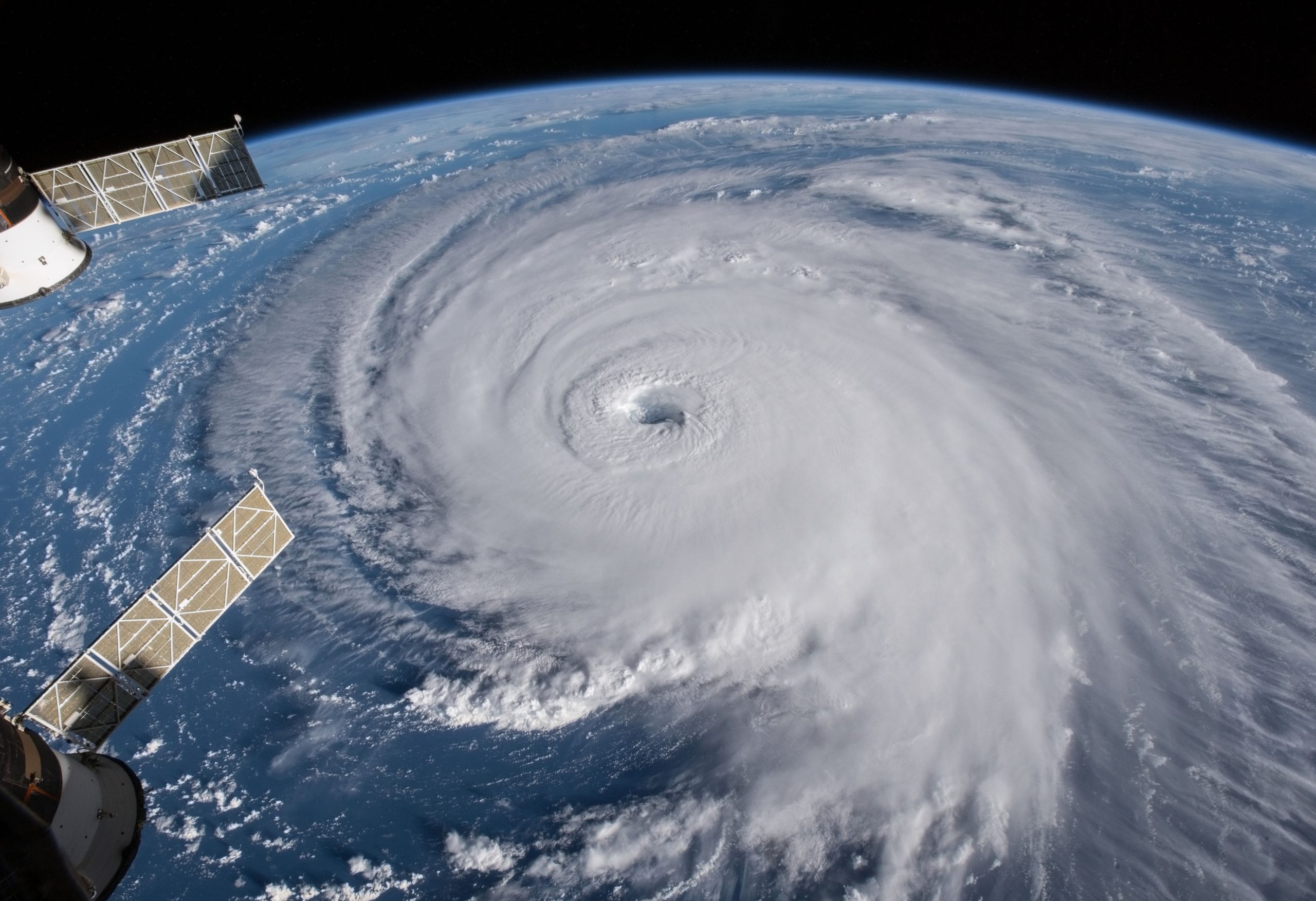


WASHINGTON, United States (AFP) — United States (US) forecasters on Thursday predicted the Atlantic hurricane season is likely to be “below normal” in 2026, but cautioned that “it only takes one.”
Data on the eastern and central Pacific, meanwhile, shows a 70 per cent chance of “above normal” activity.
An expected El Niño weather pattern is largely driving the forecast, said National Oceanic and Atmospheric Administration (NOAA) head Neil Jacobs.
Atlantic hurricanes are more dangerous to human life and property as they are generally closer to more heavily populated areas.
Even a “below normal” season could include eight to 14 named storms, Jacobs said, and at least one to three are likely to be considered major, meaning with winds above 111 miles (178 kilometers) per hour.
“Don’t let words like below average… change the way you’re prepared,” urged Ken Graham, National Weather Service director.
The forecast does not include predictions on whether or not storms might make landfall.
NOAA officials said the last time they put out a similar forecast was in 2015.
The Atlantic hurricane season runs from June through November. The Pacific season began in mid-May and also runs through November.
El Niño — a natural climate cycle phase — influences global weather and increases the likelihood of drought, heavy rainfall, and other climate extremes.
It generally supports fewer tropical storms and hurricanes in the Atlantic because it can create strong vertical winds there that can tilt or tear those systems before they strengthen.
El Niño has the opposite effect in the Pacific, meaning places like Hawaii and Mexico could potentially suffer more impacts from storms.
And in a world warmed by fossil fuel pollution, Atlantic sea surface temperatures could have the potential to play spoiler to El Niño’s impact.
Following the briefing, Graham said in a statement, “There is still uncertainty in how each season will unfold.”
The 2025 Atlantic hurricane season included four major hurricanes, ending with Melissa, which struck Jamaica as one of the most powerful storms ever recorded.
Fueled by abnormally warm Caribbean waters, it exploded into a Category 5 storm and moved across the region at little more than a strolling pace, amplifying the danger of relentless rain, storm surge, and wind while unleashing catastrophic damage.
A study from Imperial College London said the massive storm was made four times more likely because of human-caused climate change.
Scientists say both rapid intensification and stalling storms are on the rise in a warming climate.