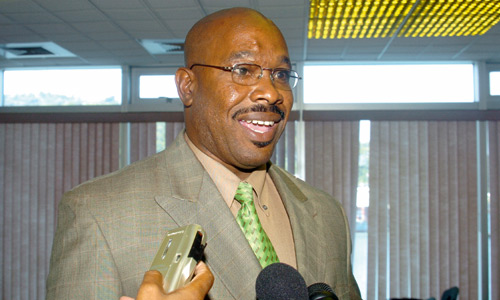

CASTRIES, St Lucia — Castries Central MP Richard Frederick was denied a United States visa during a personal appointment at the U.S. Embassy in Barbados on Thursday, December 18, 2025, according to multiple sources with direct knowledge of the interaction, marking a development that has triggered significant public attention and renewed scrutiny of Saint Lucia’s international standing.
Sources said the denial occurred during a routine visa interview and was communicated directly at the service window. During the exchange, Richard Frederick reportedly identified himself as a minister of government and was informed by the consular officer that a visa could not be issued to him “at this time.” No official reason was provided at the window, according to those familiar with the matter.
U.S. consular officials traditionally do not disclose reasons for individual visa decisions, citing confidentiality requirements under U.S. immigration law. The U.S. Embassy has not issued any public statement on the reported refusal.
Sources also indicate that several individuals were denied visas during the same processing period. While it remains unclear whether those refusals were connected or stemmed from individual eligibility assessments, the timing has fueled public discussion and heightened interest in the circumstances surrounding the embassy’s actions.
Under U.S. immigration law, visa issuance is discretionary and may be influenced by a wide range of factors, including prior travel history, eligibility criteria, security assessments, documentation, and statutory requirements. Consular officers are not required to disclose specific grounds for refusal, and applicants may be informed only that a visa cannot be issued at the time of the interview.
A refusal does not necessarily imply criminal wrongdoing or misconduct. However, when it involves a sitting elected official, particularly one holding ministerial office, the decision can carry reputational and diplomatic weight.
Observers familiar with diplomatic practice noted that identifying oneself as a government minister during a visa interview does not confer preferential treatment under U.S. immigration procedures.