
By Staff Writer
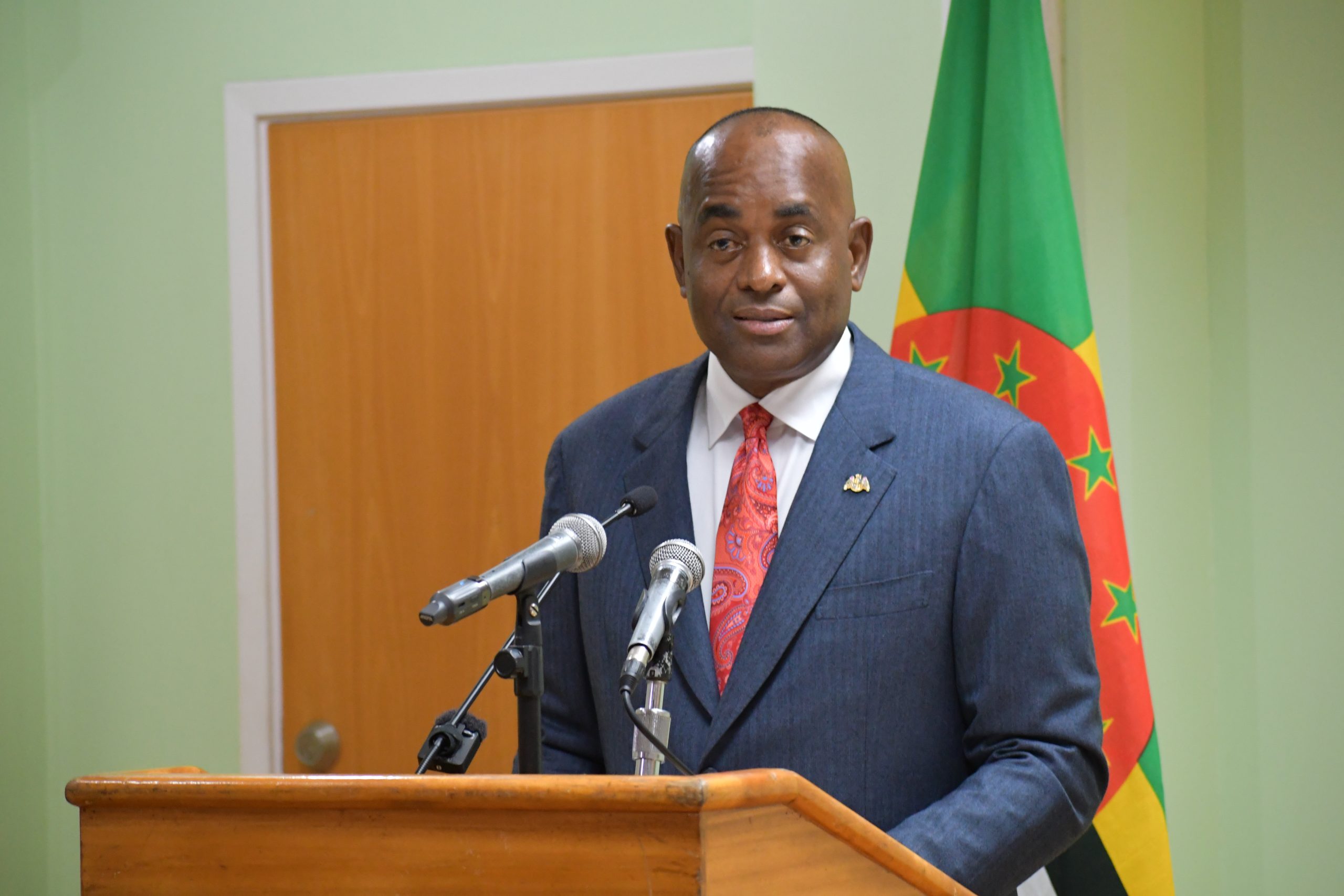
ROSEAU, Dominica, Oct 2026, CMC – Prime Minister Roosevelt Skerrit has said social security or national insurance systems must be seen as institutions that do more than the mere collection of contributions and payment of benefits.
“Rather, they must denote a social promise that contributors who work, raise families, experience disability, grow old or encounter unexpected hardship should not be left without protection,” Skerrit told delegates attending the six-day 34th Caribbean Community (CARICOM) meeting of heads of Social Security.
The event is being held under the theme “Honouring Our Legacy, Innovating Today to Secure Tomorrow” and Skerrit said it could not have been more fitting, as it creates the nexus between the experiences and accomplishments of the past with present-day realities that are shaping the ways of the future.
The approaches and strategies adopted today should, therefore, serve to enhance your ability to secure the future for successive generations of your constituents,” he said, adding that in honouring the legacy, the social security or national insurance systems “must denote a social promise that contributors who work, raise families, experience disability, grow old or encounter unexpected hardship should not be left without protection”.
He said that the focus on innovating today seems appropriate given that many social security systems in the Caribbean are in the process of changing their information technology (IT) systems to offer members “easier, more secure online services which will allow for digital claims processing; the facilitation of electronic payments; the adoption of automated workflows and more timely communication.
“In so doing, however, it is important to note that innovation should not just be about technology for its own sake. Rather, it should translate into shorter waiting times, fewer barriers, greater transparency and a more wholesome experience for every stakeholder. “
Skerrit said historically, most of the social security systems have provided coverage for three categories of contributors, namely employees, self-employed persons and voluntary contributors.
He said as patterns of employment change and more people earn their livelihoods outside the formal sector, extending coverage to informal workers is an increasingly important priority. The challenge is to make participation accessible and practical for people whose incomes may be irregular or unpredictable.
“At the same time, your institutions must ensure that benefits remain relevant and adequate while protecting the long-term sustainability of the systems you manage. This requires careful decisions about contribution levels, benefit payments and the financial position of each Fund. The principle of solidarity remains central: meeting the needs of today’s contributors and beneficiaries while preserving reliable protection for future generations.
“In your quest to secure tomorrow, it is imperative that you take cognizance of the emerging realities of our times. Thus, every effort should be made to address the changing demographics—including the ageing of the population; declining birth rates and increasing migration—as well as changing employment patterns; the growth in informal/platform work; the rising cost of living and the sustainability of long-term benefits at the levels promised.”
Skerrit said as a result, the need for actuarial discipline, sound investment management, timely collection of contributions, good governance practices, and evidence-based policy decisions cannot be overemphasized.
“Indeed, the matter of system sustainability has to be a shared responsibility among all stakeholders—Government, members of the Board, Management and Staff, Employers, Employees, Self-employed persons, voluntary contributors, beneficiaries, and even prospective contributors.”
He said one of the most important achievements of regional cooperation in this area is the CARICOM Agreement on Social Security. For almost three decades, it has helped protect the pension rights of CARICOM nationals who have worked and contributed in more than one participating country.
“The principle is straightforward: people who move within our region for work should not lose the social security protection they have earned. The Agreement allows their contributions across participating countries to be taken into account when determining their entitlement to benefits. It is a practical example of how regional cooperation can improve people’s lives.
“Social Security and National Insurance institutions also manage substantial savings and provide essential support to individuals and families. This places a significant responsibility on those entrusted with their leadership. People need to know that their contributions are being managed carefully, that benefits will be available when needed, and that they can receive timely and reliable service.”
Skerrit said maintaining that confidence requires continuous improvement. He said that as employment patterns, technology and the needs of our populations change, our institutions must also adapt. The decisions we make today must strengthen their ability to serve both current beneficiaries and future generations.
“Your discussions on administrative best practices are therefore particularly valuable. Across the region, institutions have found different ways to improve service, manage resources and reach contributors.
“Sharing those experiences allows us to build on what works, learn from difficulties and make better use of our resources,” Skerrit said, urging the delegates to leave the meeting “with practical steps that can be taken forward within your institutions, and with stronger relationships among colleagues who share the same responsibilities.
“The value of these discussions will ultimately be felt by the people you serve: the worker making regular contributions, the self-employed person seeking coverage, and the pensioner depending on a benefit to meet everyday needs.”
CMC/af/ir/2026