
By Douglas Vandergraph
The most important part of a power project may happen after the machinery begins to work. It happens when a shopkeeper opens an electricity bill, when a parent budgets for the next month, and when a household decides whether it can afford to run the equipment it needs. For Dominica, geothermal energy offers a hopeful story about national capability. Its lasting value, however, will be judged in the daily experience of the people asked to pay for electricity.
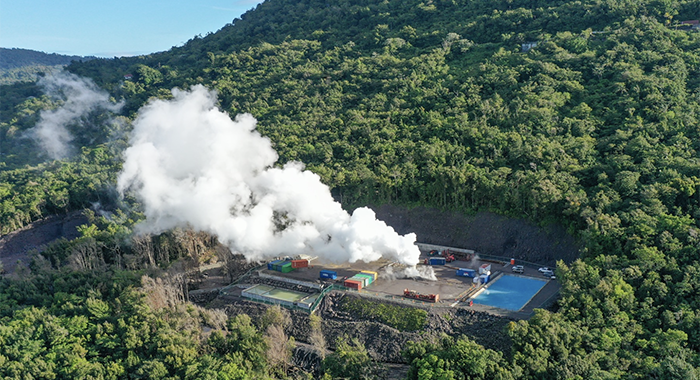
Dominica’s Independent Regulatory Commission reported that the geothermal plant reached commercial operation on July 31, 2026, following required testing. The power purchase agreement with DOMLEC moved into its operational phase. The regulator also made clear that the central question ahead is what the plant’s performance produces for customers. That distinction deserves public attention. A new source of generation is a milestone; affordable, dependable service is the outcome families have reason to expect.
There are genuine reasons to welcome an energy project that could reduce reliance on imported fuel and improve the country’s resilience. But broad expectations should be separated from promises that have not yet been demonstrated. Changes to generation costs, the condition of the distribution network, regulatory decisions, and other expenses can all influence the final bill. Residents deserve explanations that acknowledge this complexity without concealing the information necessary to understand it.
A useful public update would do more than celebrate the amount of electricity generated. It would explain, in straightforward terms, how geothermal output affects the mix of energy purchased and what the regulator expects to happen to customer charges. If savings are gradual, say so. If other costs mean bills do not immediately fall, explain why. People can accept an inconvenient truth more readily than a comforting claim that their next bill contradicts.
Special attention should be given to households with little room in their budgets. Electricity powers refrigeration for medicines, light for schoolwork, fans in warm weather, and devices that help residents communicate. When a family falls behind, the consequences may extend well beyond the inconvenience of a dark room. Fair billing arrangements, clear assistance information, and respectful customer service can protect dignity while the wider energy system changes.
Small businesses deserve a place in this conversation too. A bakery, barber, small grocery, or repair shop may rely on dependable power to protect stock and serve customers. Unexpected outages or charges can threaten a thin operating margin. Business owners need information they can use to plan. They should be able to distinguish ordinary maintenance interruptions from broader system difficulties and know where to report problems.
The geography of an island also matters. It would be a mistake to measure success only where a new project is easiest to publicise. Communities that experience difficult access, unstable supply, or costly service should be part of the evaluation. A reliable energy transition is not complete if the national average improves while a vulnerable group remains far behind. Regulators and utility providers can publish measures that show where progress has reached and where problems persist.
There is a Christian principle of stewardship beneath this argument: resources should be managed responsibly, and the benefits of progress should not be reserved for those best able to demand attention. This is a public obligation that people of different faiths can share. Transparency is one form of care. It tells a household that the questions raised around the kitchen table matter to the institutions making decisions.
Dominica could strengthen trust through regular plain-language reporting on generation, reliability, tariff effects, customer complaints, and planned improvements. Schools and community groups could help residents understand bills and conservation measures without shifting responsibility for infrastructure problems onto individual families. The aim would not be to promise that every challenge can disappear overnight. It would be to make the path from investment to household benefit visible.
The plant’s arrival at commercial operation deserves recognition. The work that follows may be less ceremonial but more consequential. Let geothermal progress be understood not only in megawatts and engineering reports, but in the freedom of a family to budget with confidence and the ability of a small business to keep its doors open. That is where a national energy achievement becomes a shared good.
Disclaimer
The opinions presented in this content belong to the author and may not necessarily reflect the perspectives or editorial stance of Nature Isle News (NIN). Opinion pieces can be submitted to editor@natureisle.news