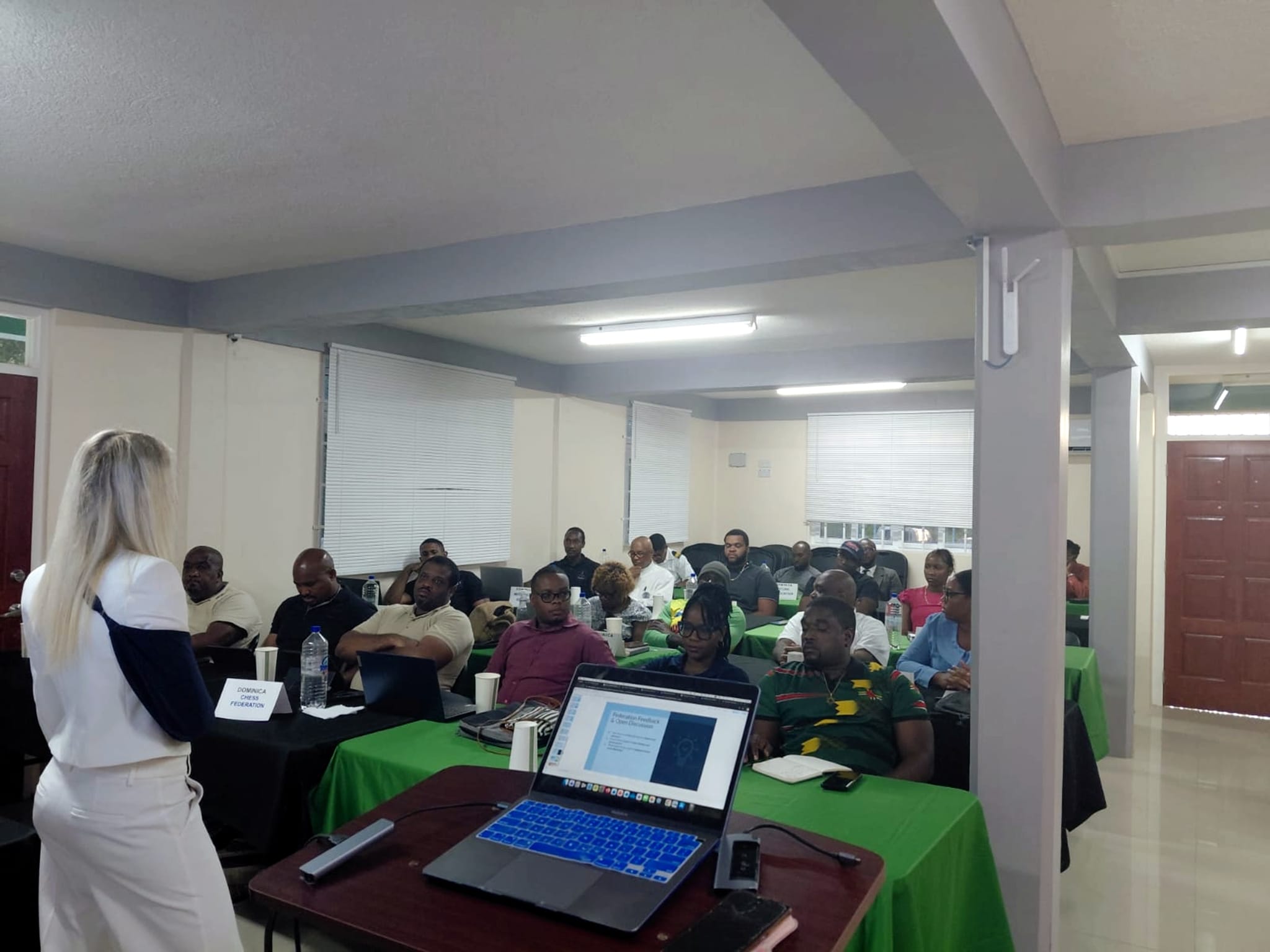

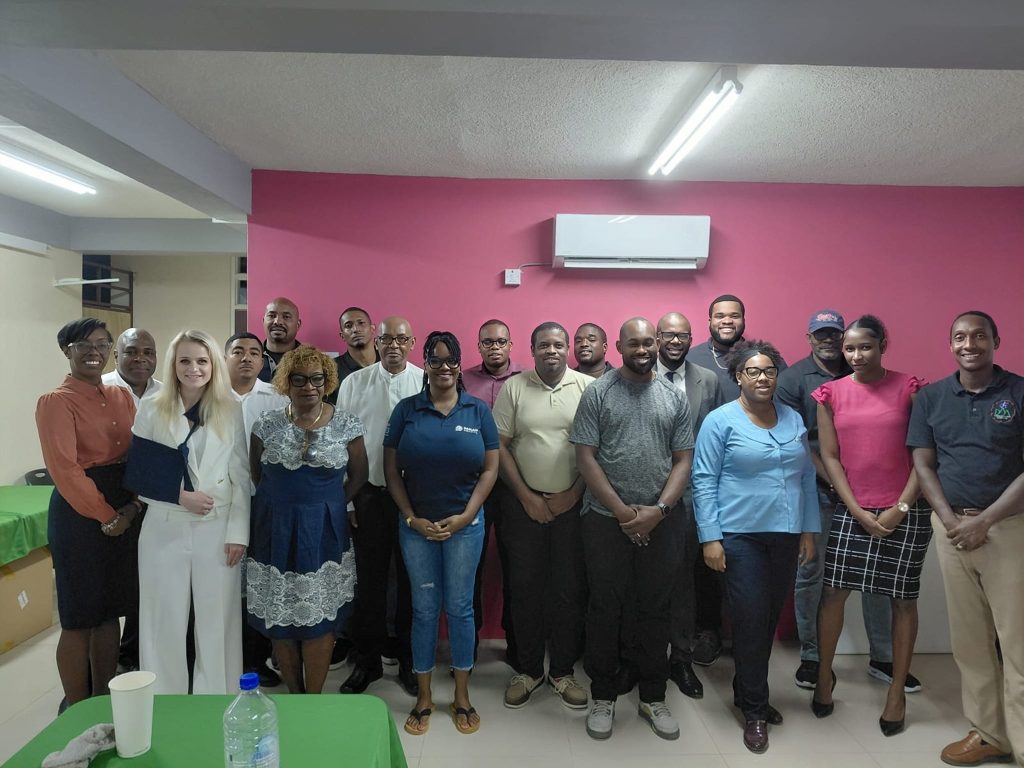
Roseau, Dominica –April 2026 — The Dominica Olympic Committee convened the Presidents and senior representatives from national sport federations for a high-level capacity building session, advancing a more coordinated and future-focused national sport system. The session was led by Valentyna Zolotarova as part of a Panam Sports-supported initiative aligned with Olympic Solidarity priorities, focused on strengthening national sport systems through structured planning, capacity development, and athlete-centered approaches.
Federations began implementing key tools, including multi-cycle operational planning
(2026–2032), coordinated communication systems, athlete development frameworks, and
performance planning tools — marking a shift from isolated activities toward a more integrated and system-driven approach consistent with international best practice.
A central component of the initiative is the development of a Local Sport Methodologist Network, designed to strengthen in-country capacity and ensure that planning, monitoring, and athlete development systems remain active and sustainable over time. A structured communication framework between the Dominica Olympic Committee and federations was also established, reinforcing continuous coordination and shared accountability.
Beyond the technical work, the session highlighted a growing shift in perspective across the
sport sector. Leaders engaged in discussions that began to connect sport more directly with
broader areas such as education, youth development, and long-term resilience — not as
separate initiatives, but as part of a more coordinated national system.
The process has already begun to highlight areas where stronger alignment and collaboration could further enhance impact across the broader national landscape.
“What stood out most was the level of insight and commitment from federation leaders,”
said Valentyna Zolotarova. “Through this exchange, we began to identify how sport can
be more intentionally structured — not only to support athlete performance, but to
connect with wider national priorities such as education and long-term resilience.
When those elements are aligned within a system, the role of sport naturally expands in a way that creates value across multiple sectors.” As implementation progresses, the initiative is expected to contribute to a more connected, structured, and effective sport environment — supporting athletes, strengthening federations, and creating a foundation for sustained development and future collaboration.