
By Staff Writer
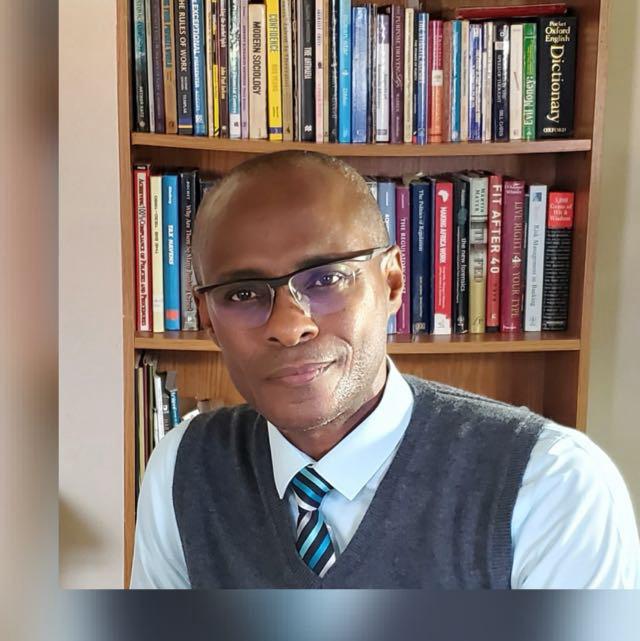
ROSEAU, Dominica, Jun 5, CMC –The Director of the Barbados Financial Intelligence Unit, Kirk Harrison Taitt, is urging Caribbean countries to be mindful of the possibility of the derisking of banks operating in the region.
Delivering the 14th Annual National Distinguished Lecture of the University of the West Indies (UWI) Global Campus here on Thursday night, Taitt, said regional banks need to ensure that their operations are to avoid the chance of being derisked.
Speaking on the theme “Derisking, Sanctions and the Future of Caribbean Banking,” he said that as a region, the Caribbean needed to be mindful of international realities.
“And derisking is a possibility, yes. But it’s also a chance for us to make sure we have our house in order as a region. So what is it about derisking that makes us fearful? What are we doing as an organisation that appears to external entities that we are not complying with international realities?
“What is it exactly that we are doing that’s not consistent with the international norm? If we can figure it out, identify it, and deal with it, then I think derisking will become a thing of the past,” Taitt said.
“So at this point, really, I would wonder or challenge the regional banks and so on to make sure that they follow international norms and that the … recommendations of the FATF (Financial Action Task Force) are up front and centre and are being respected and fully implemented within the system. Otherwise, again, they run the risk of being derisked themselves.”
De-risking is the wholesale withdrawal of correspondent banking relationships (CBRs) with little or no notice, and the FATF’s guidance for preserving CBRs is anchored by core principles that financial institutions must follow to prevent the termination of services.
The framework outlines legal, regulatory, and operational standards to protect the integrity of the international financial system.
These include countries that must identify, assess, and understand their money laundering and terrorist financing risks, applying resources to the areas of highest risk. Financial institutions must verify customer identities, monitor account activity, and identify beneficial owners, requiring that originators and beneficiaries be accurately identified in cross-border electronic wire transfers to prevent fraud and financial crime.
In addition, countries must ensure that adequate, accurate, and up-to-date information on the ultimate beneficial ownership and control of legal entities, such as shell companies and trusts, is available to competent authorities and establish frameworks to provide the widest possible range of mutual legal assistance and international information exchange.
In his presentation, Taitt praised the efforts of the Financial Intelligence Units of the Caribbean and urged that governments continue to provide the resources needed for these units to succeed.
“We are central to each country’s anti-money laundering regime, and we should invest in technology. We should push our governments to get the resources and so on as well, and that will also do our work better.
“So my message to my colleagues in this space is to keep excelling, keep doing well, and keep working to make sure your jurisdiction is adhering to international norms and that you’re pushing to make sure that your work is valued because we do valuable work, and people need to see that.
“Technology allows us to do our work better, more efficiently as well, and any support in that area is useful,” Taitt said, adding, “I will say from my perspective as an FIU director that the work we do is going to be heavily reliant going forward on investment in technology and resources as well.
“…human resources and technical resources, to make sure we do our job better, more efficiently, and achieve the outcomes we want to achieve,” he added.
CMC/cj/ir/2026.